PUGLIAUTENTICA.IT, BIT 2023

PUGLIAUTENTICA.IT, BIT 2023

Home > Projects > PUGLIAUTENTICA.IT, BIT 2023

View Gallery

Discover more

FESTIVAL ...

Since 2021 I have handled communication, graphic design and at times photography for Festival Viator, the music festival of the pilgrim routes. It began with an artistic director who went round the same circuit every year to keep his festival alive. A drive to Terlizzi, an application to the Italian Ministry of Culture, a phone call at midnight. Four more editions since then, and four regions.


He’d come to ask for ‘a helping hand’

February 2021. Giovannangelo de Gennaro walks into Editrice L'Immagine and asks for a contribution to Festival Viator, then in its seventh edition. I know him well. He is a wayfaring musician and he directs the festival with Michele Lobaccaro of Radiodervish. I heard him out and told him what I had been thinking for a while. Gianni, you cannot go round every year begging from private companies and public bodies. Enough. Raise the bar and dream bigger.


From Terlizzi to the Ministry

Dreaming big, though, is done with your feet on the ground. I took him to Terlizzi, to Oronzo Amorosini, a cultural project designer. Oronzo built the dossier and submitted it to the Italian Ministry of Culture for FUS performing arts funding. Then months of silence, the administrative kind that makes you think you have wasted your own time and a friend's as well.

In the middle of summer, at midnight, Oronzo called. The Ministry had approved it. Not for one year, for three.


Festival Viator, music and pilgrim routes across four regions

Viator began in 2015 from an idea by de Gennaro and Lobaccaro and it holds together music and the world of the pilgrim routes, the old medieval ways walked again today by people looking for a slower kind of travel. Minds, hearts and bodies on the Via Francigena of the south.

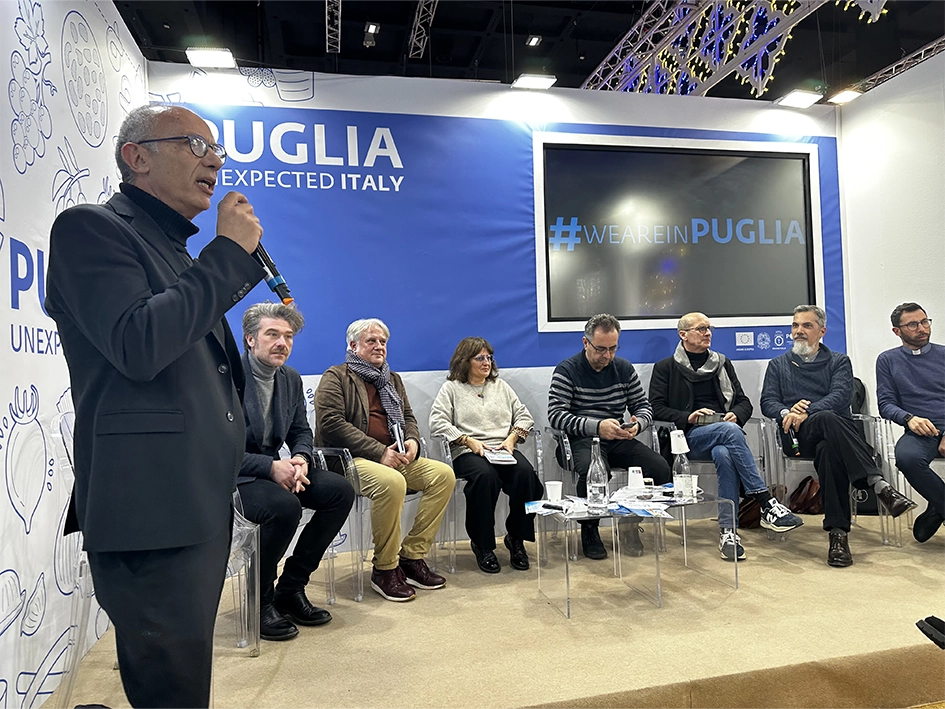
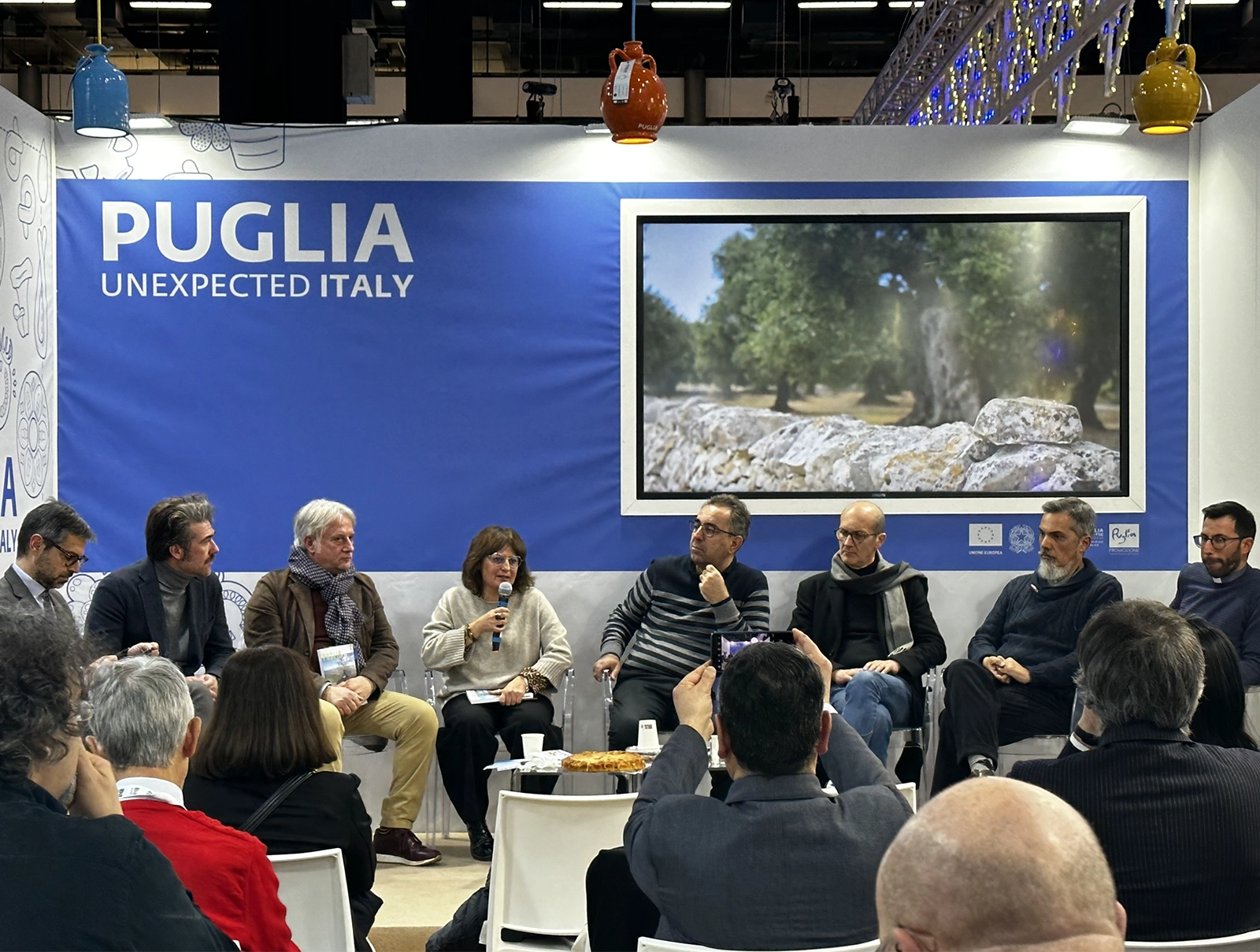
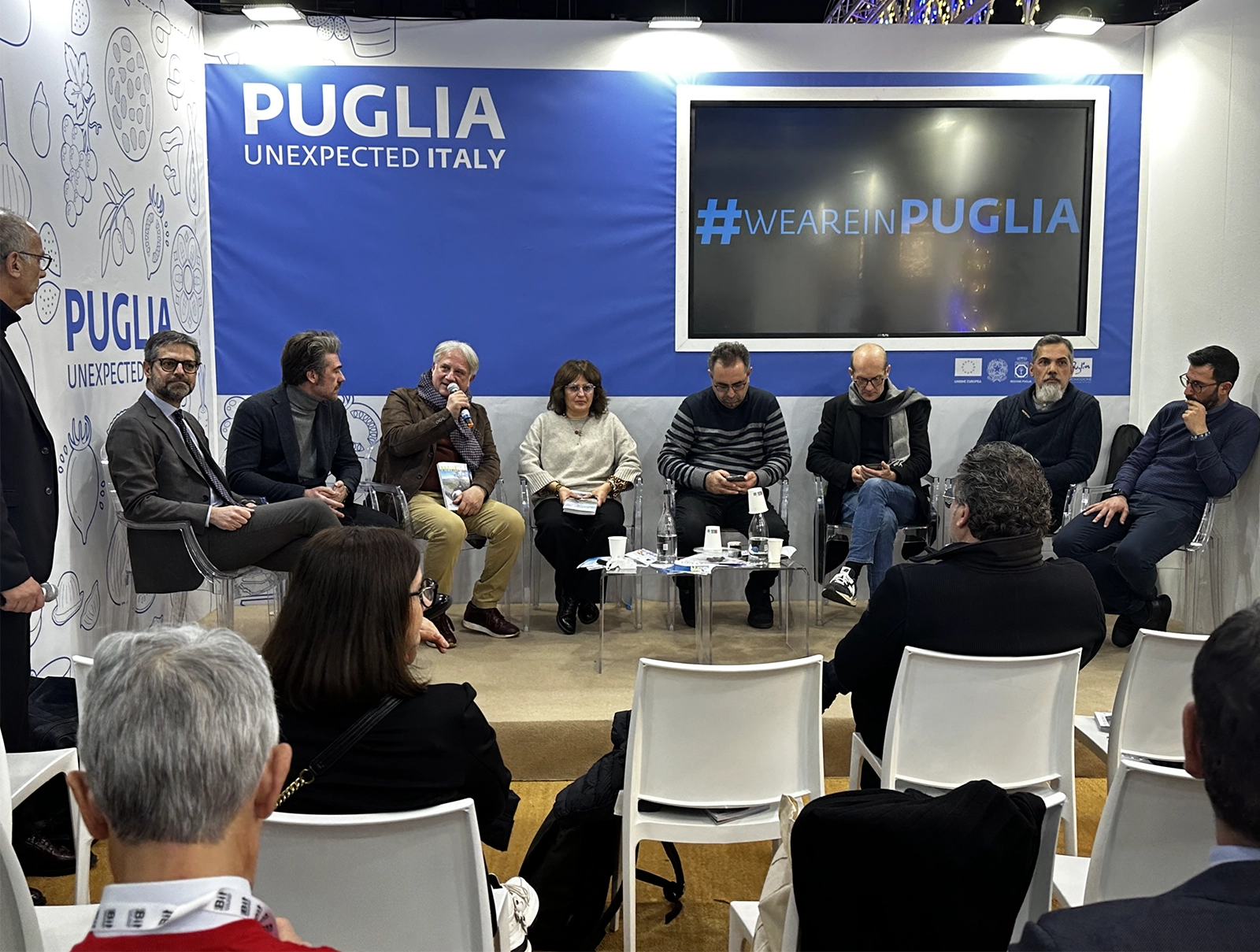
From October to December it runs across Apulia, Basilicata, Molise and Lombardy. Its stages have hosted Vinicio Capossela in Molfetta Cathedral, Antonella Ruggiero, Alice and Juri Camisasca. In February 2023 the ninth edition was presented at BIT in Milan, the International Tourism Exchange. A festival of sacred music and walking routes had become a tourism product. That is what I had in mind when I said enough.


La Cassetta degli Attrezzi

A concrete vision worth sharing, a festival living on yearly contributions is not a festival, it is a fundraiser with music inside

When someone asks you for one thing, check whether the problem is another one, the contribution solved a single edition, the Ministry funding solved three

Putting in touch people who do not know each other, an artistic director from Molfetta and a cultural project designer from Terlizzi who would never have crossed paths


What I learned

That day I was asked for a cheque. I gave an address in Terlizzi and a sentence put badly. Dreaming big on its own is not enough, what Viator needed was not my enthusiasm but a dossier filled in properly. The cheque would have gone into a single edition. The address in Terlizzi has lasted since 2021.


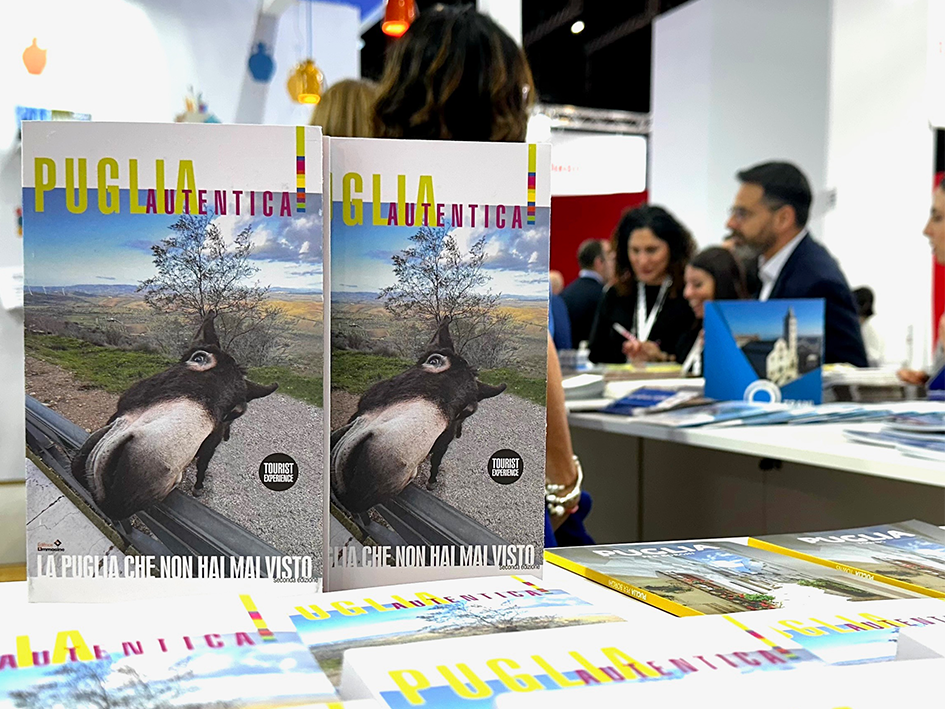
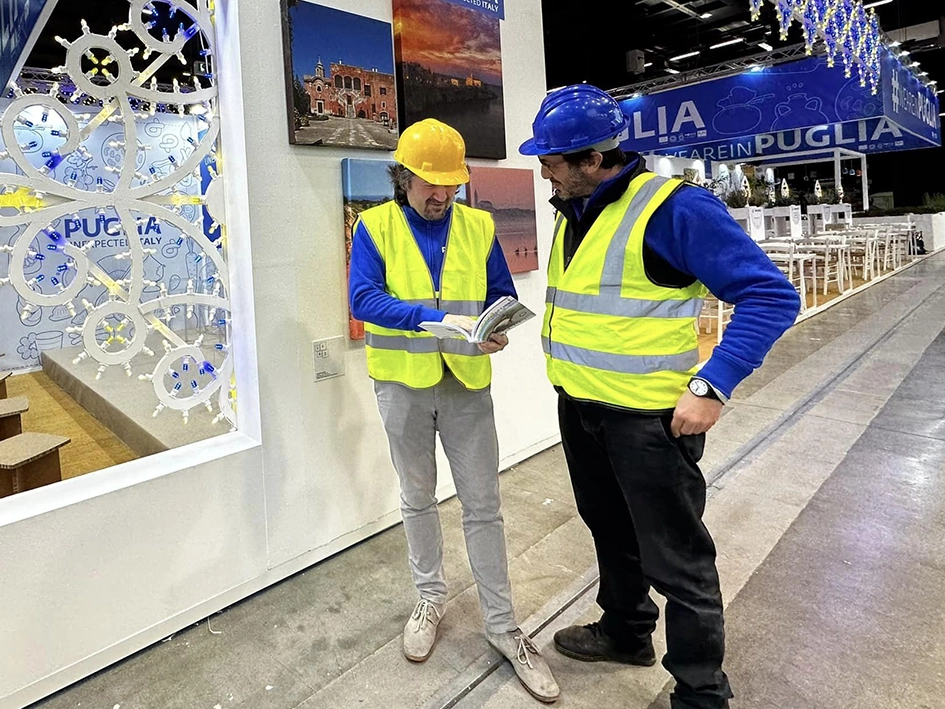
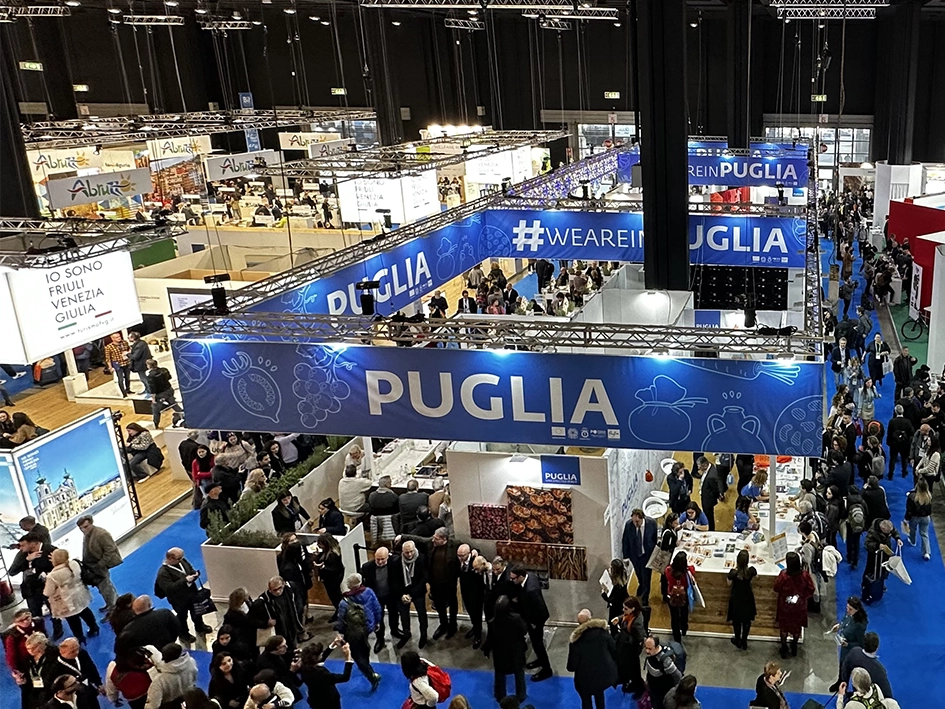
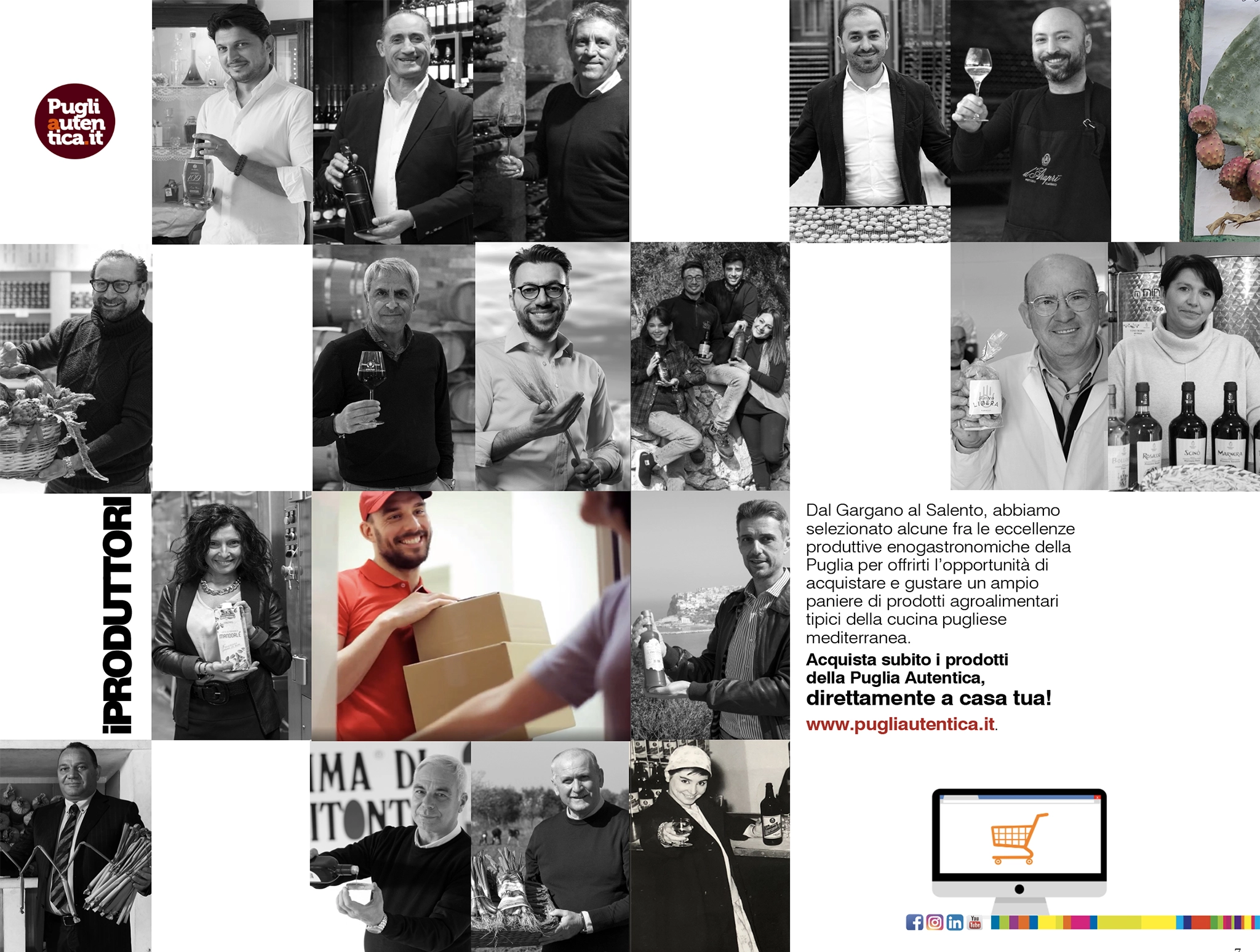
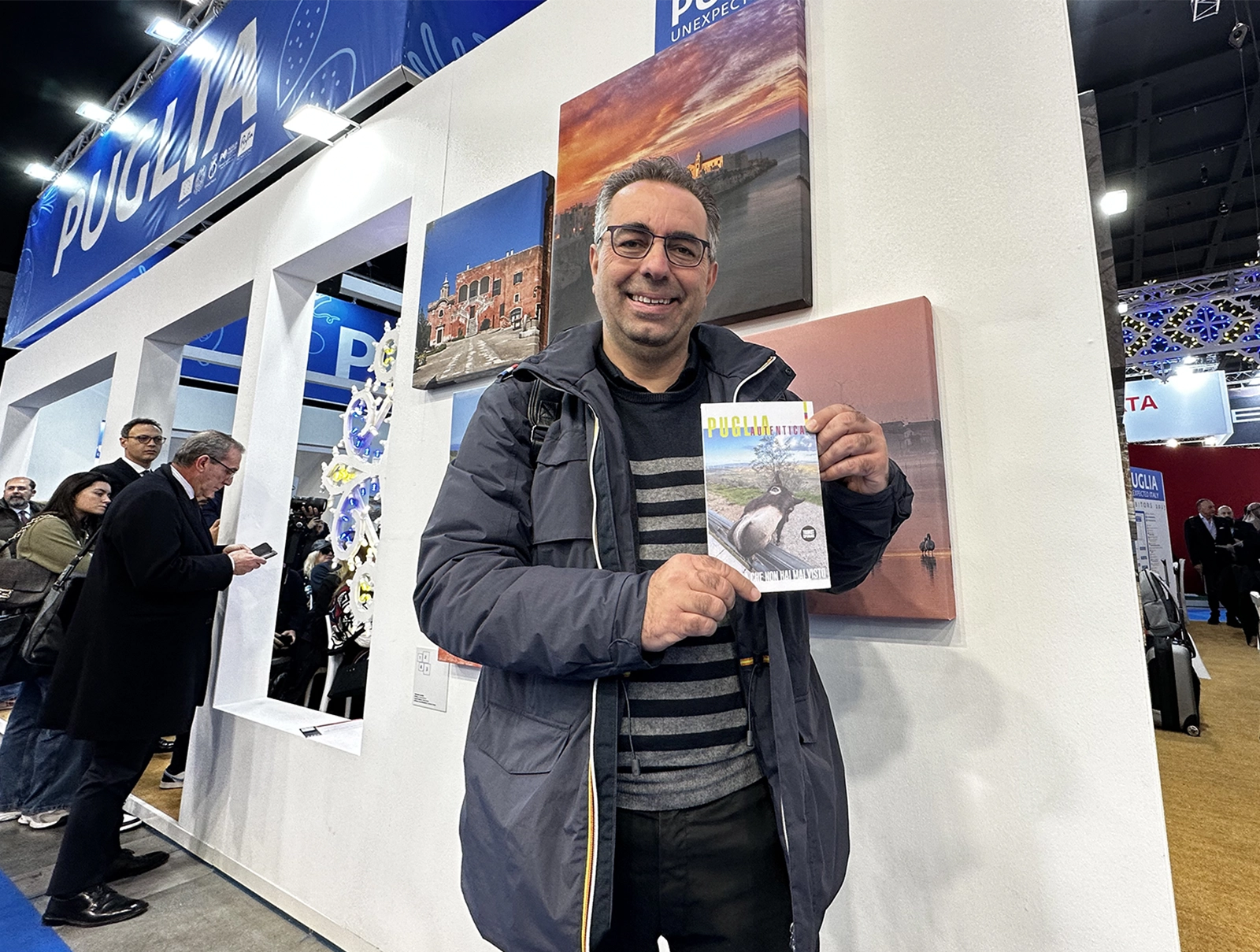
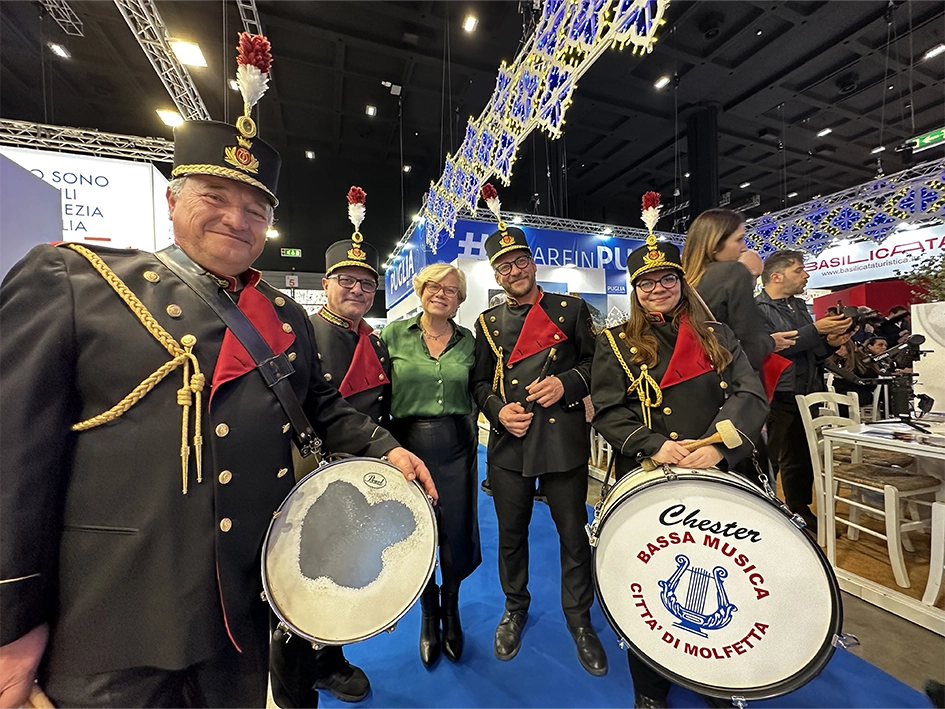
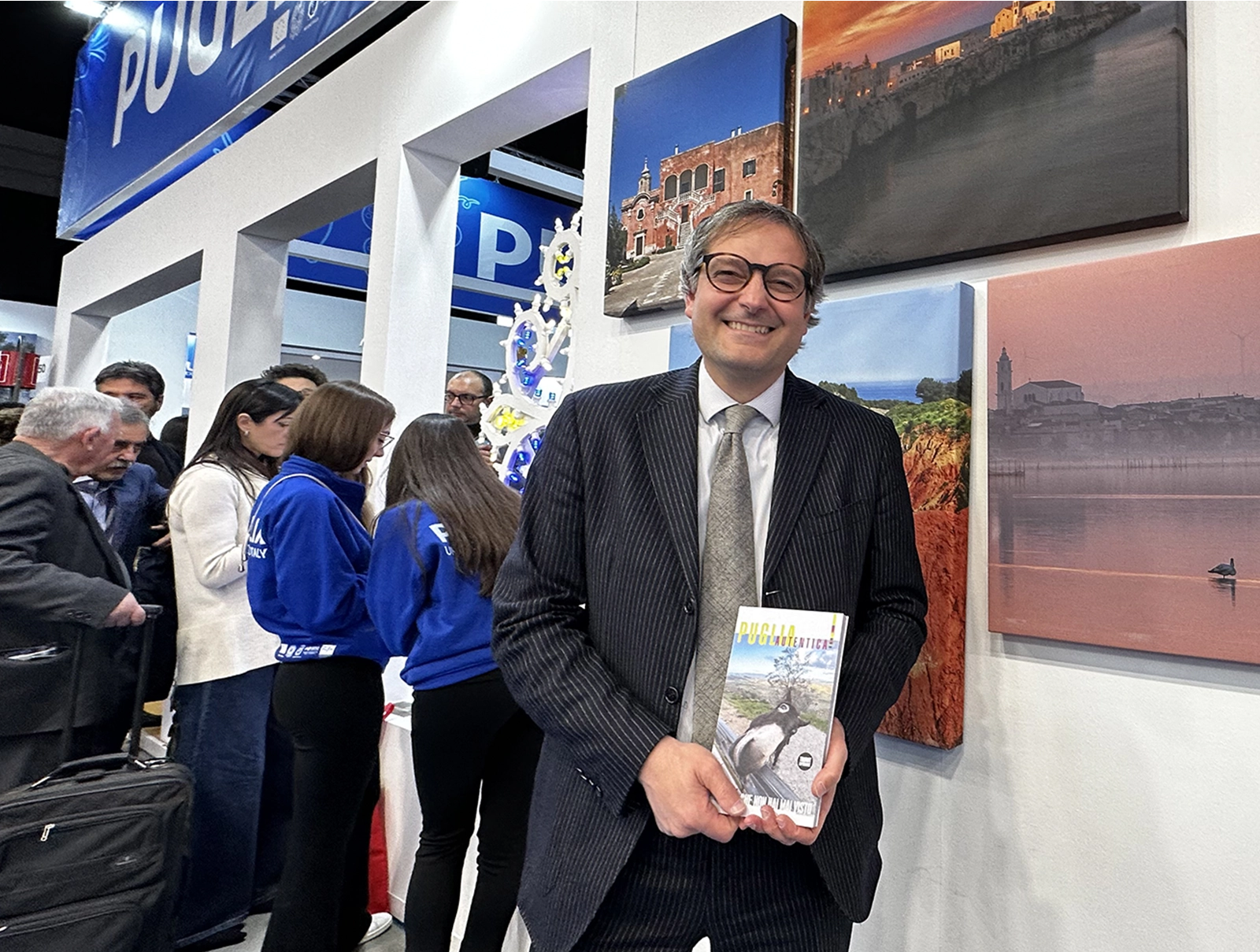
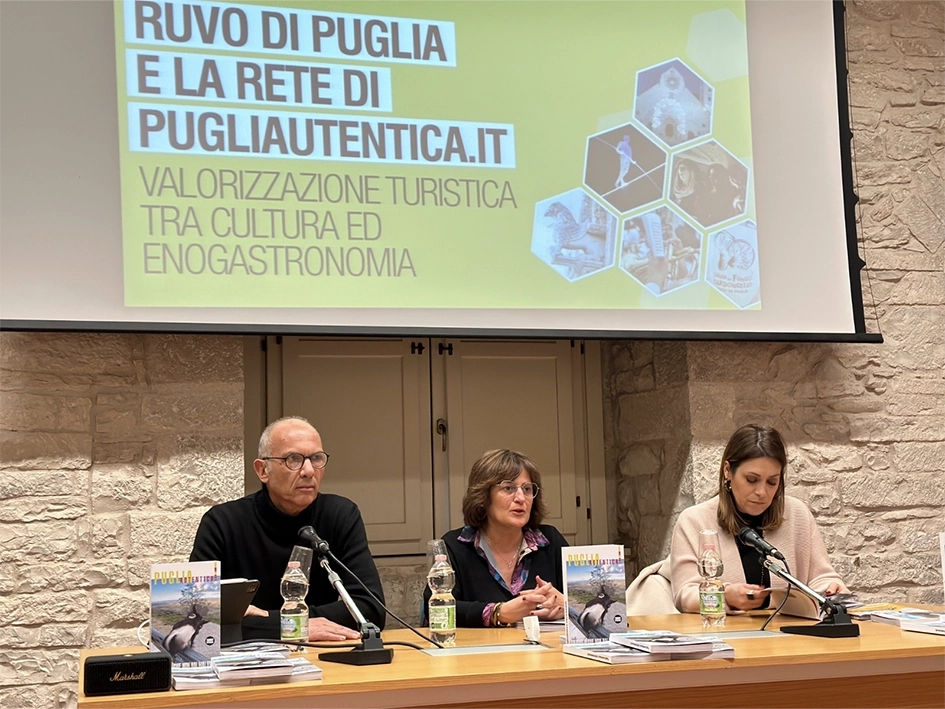
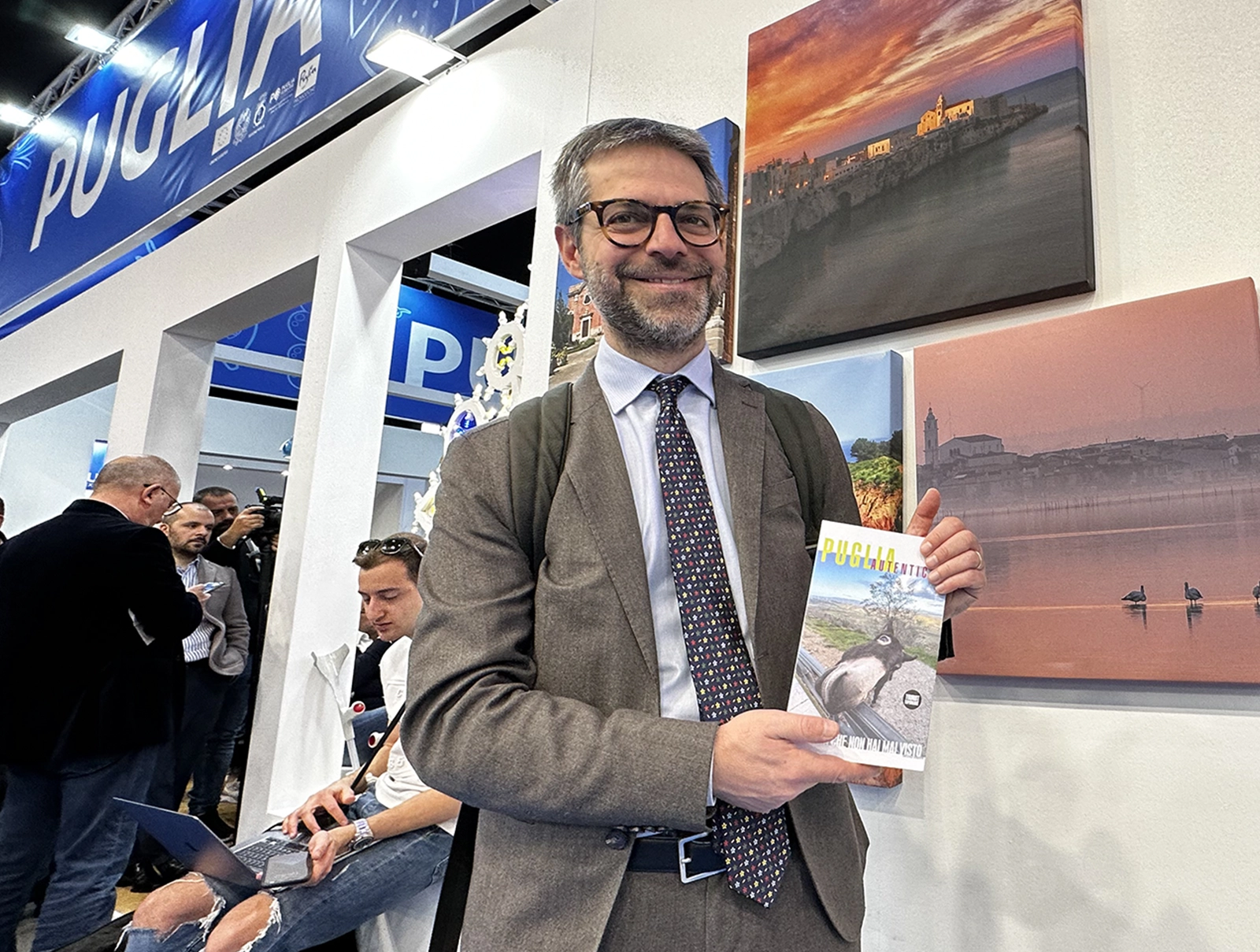
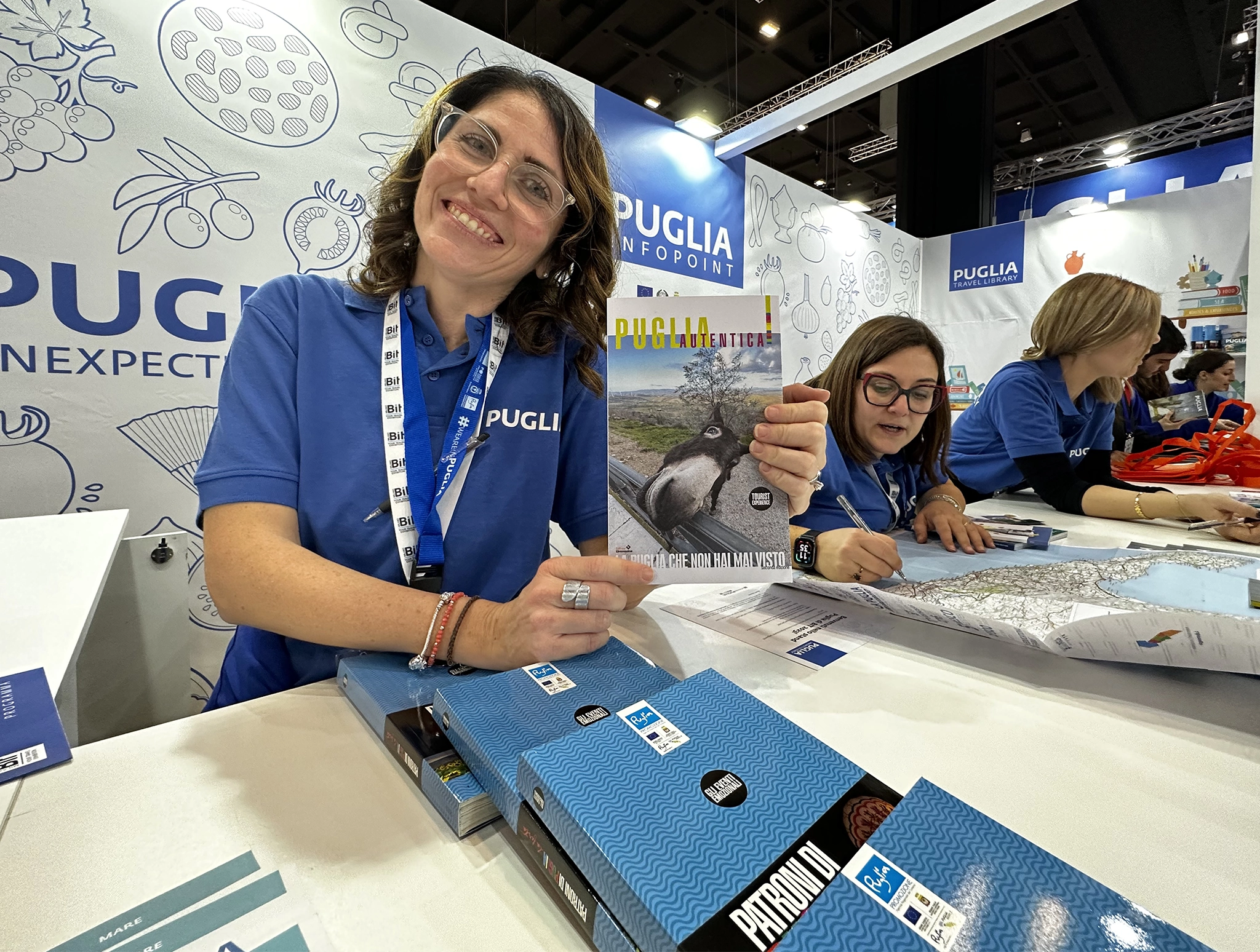
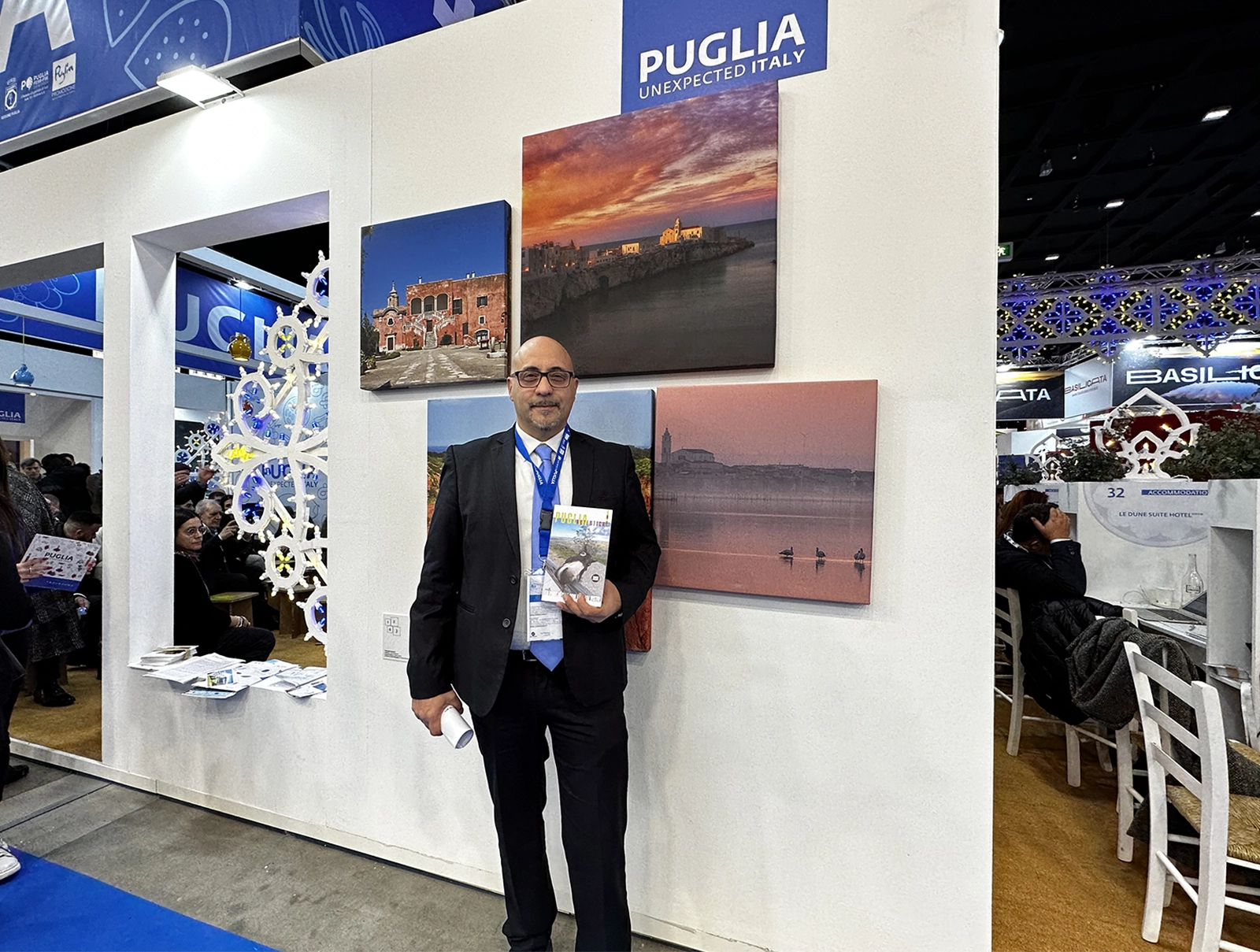
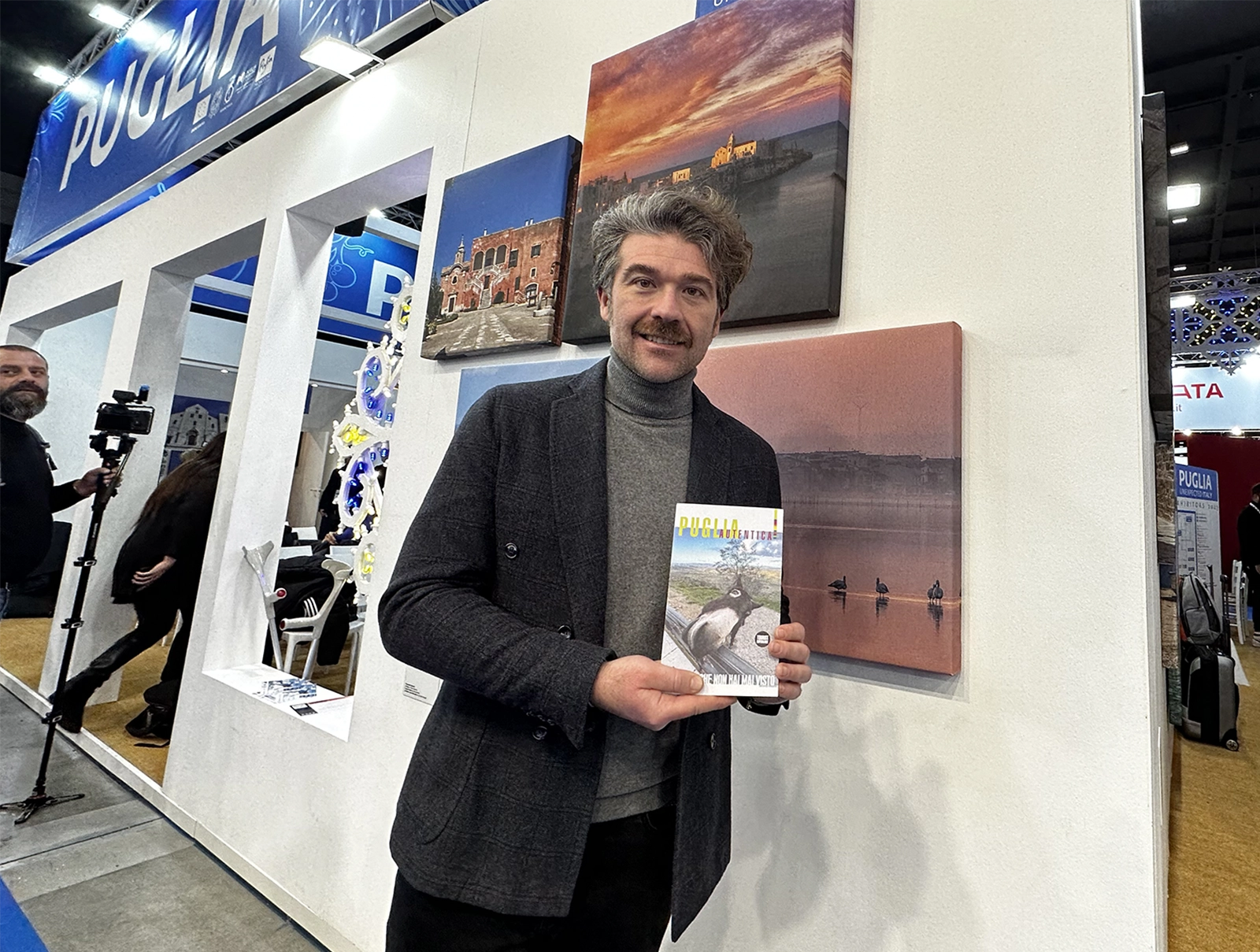
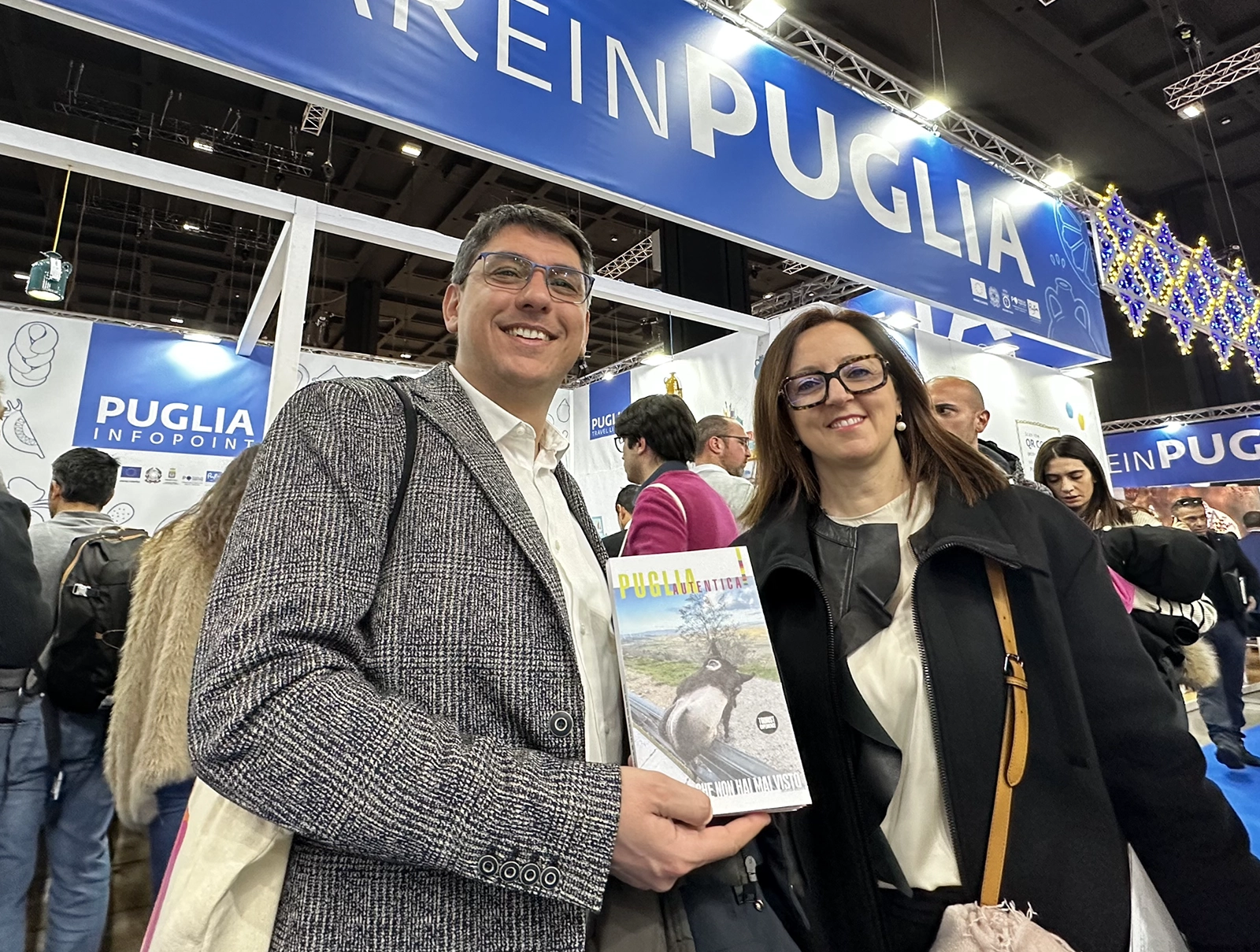
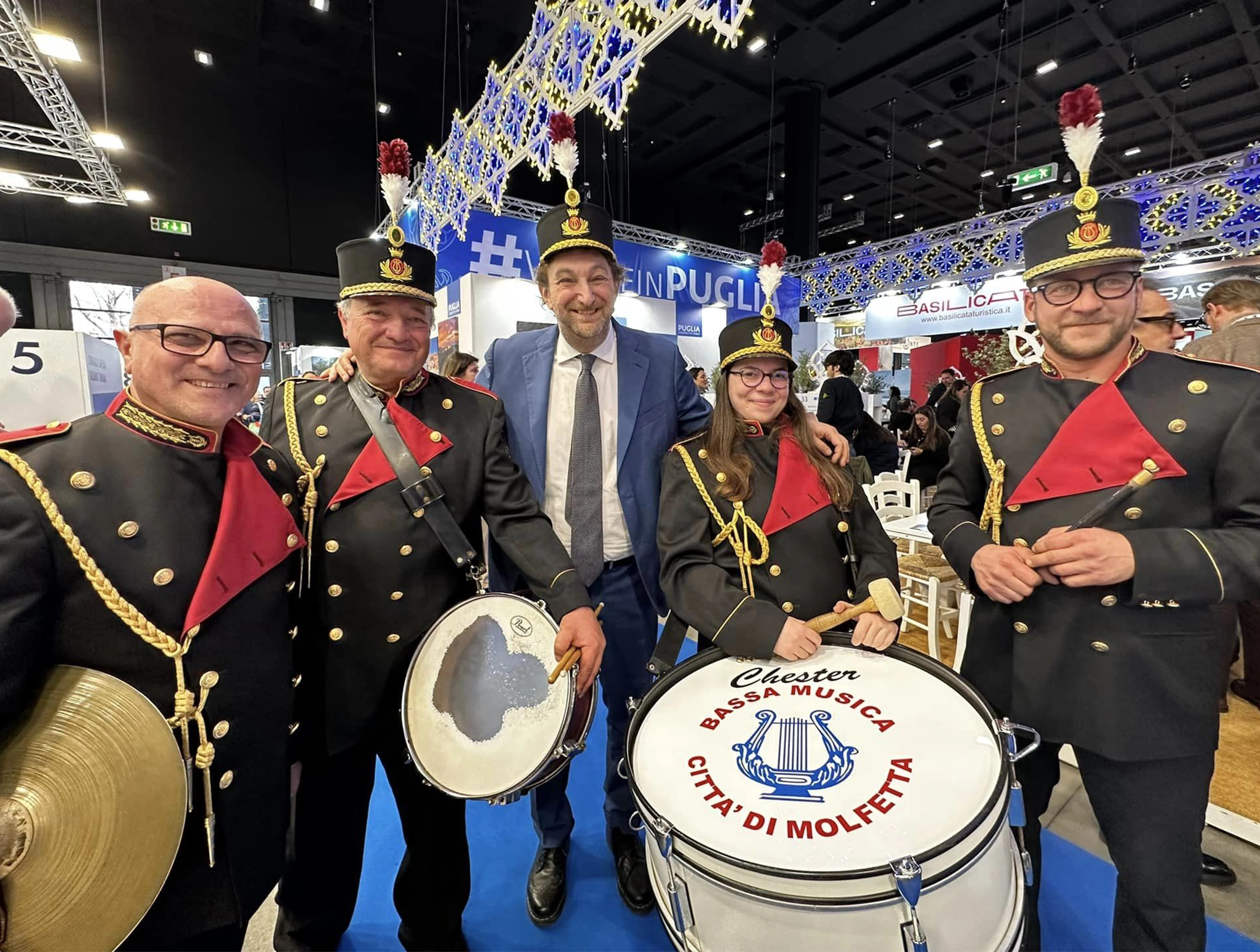
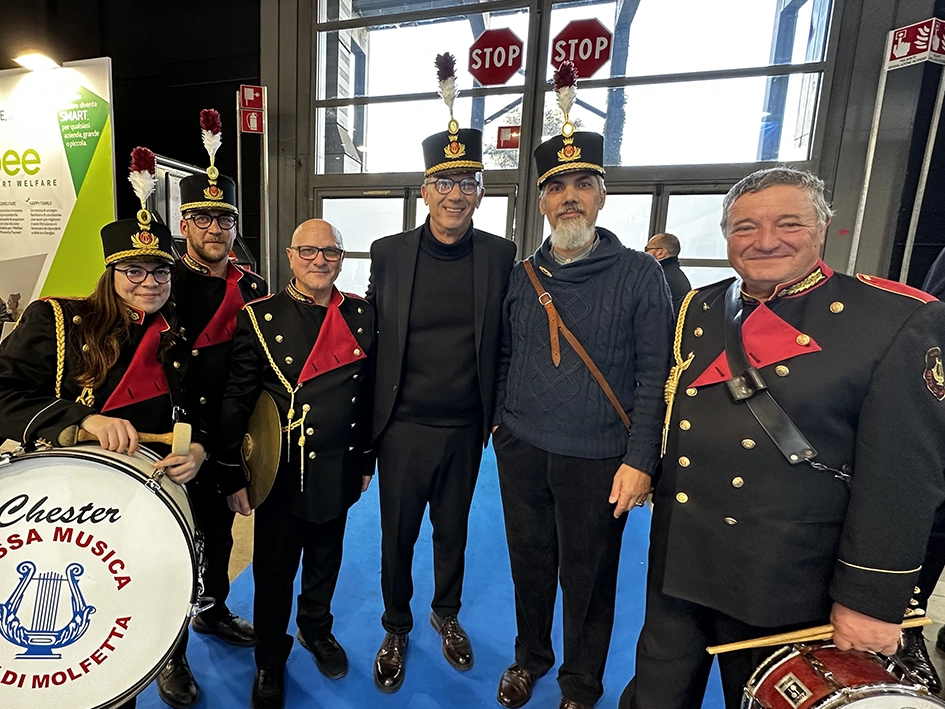
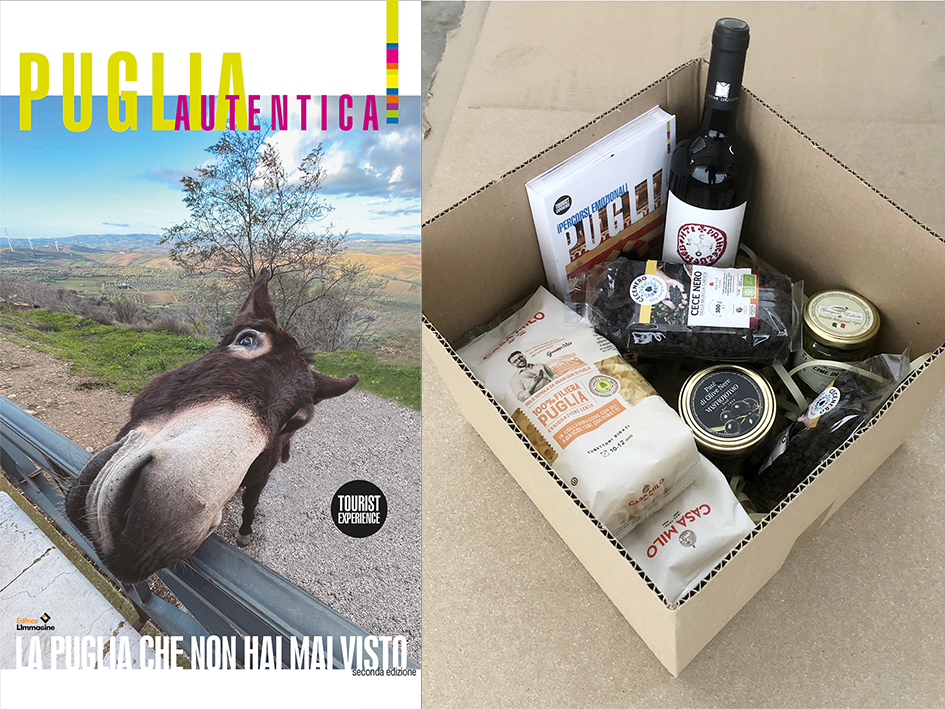
At the same BIT in 2023 I launched Pugliautentica.it with fourteen municipalities and a marching band in the aisles. The bass drum, though, was at risk of not arriving.


Communication and graphic design for Festival Viator, music on the pilgrim routes of Apulia, Basilicata, Molise and Lombardy, which I have handled since 2021.

OPERA ...

From the neighbourhood to the region. How a self-funded cultural association went from slogans about litter to Holy Week in Apulia.


Commercial work isn't enough to hold the relationships that matter

An editorial company working on its own territory eventually notices one thing. Commercial work isn't enough to hold the relationships that matter. In 2003 I founded the Associazione Culturale Opera as an offshoot of Editrice L'Immagine in Molfetta, where I have been co-owner since 1980. An independent vehicle to do cultural work without asking any client for permission.


Slogans no town hall would ever sign

I started from the ground, from the street. A self-funded civic education campaign, with lines no public office would put its name to. "Don't be the piece of trash on the street." "Taste of salt, or taste of swine?" for the people who dump their waste on the beach. At nine one morning the Mayor and Senator of Molfetta called me to have them covered up. I didn't cover them. They stayed up to the end, and the anger burned itself out. I even opened an email contest, with citizens writing the slogans for the next round of posters.


From the neighbourhood to the region

From there Opera widened its view. Exhibitions in the city's spaces, talks on local themes, and then the project that changed the scale: Holy Week in Apulia. I designed it and promoted it through Opera to hold the region's Easter rites together inside a single story. No longer Molfetta, but Apulia.


When the tool teaches the trade

Today the association is no longer active. It was absorbed into the ordinary editorial work of Editrice L'Immagine, which by then had learned to run cultural projects on its own. Holy Week in Apulia followed the same course, folded back into the parent company. Opera was born as a tool. Once the tool had taught the trade, the company no longer needed it.


One uncomfortable line beats a hundred press releases

When a phone call comes at nine in the morning with an official shouting down the line, the message has landed where it was meant to. It isn't a victory. It's a fact. Worth keeping in mind before writing the next poster.


Territorial marketing and cultural promotion as an offshoot of Editrice L'Immagine

ZAPP ...

Our address, for years, was "the fourth shed". Not a name, a number in a row. In 2005 I founded a magazine to do territorial marketing where everyone saw only sheds.

Two years of work for an industrial area no one was telling. A bilingual magazine, self-financed, sent to Italian and European chambers of commerce.


From the fourth shed to "let's try to tell our story"

When we settled in the industrial area, in 1993, our logistic reference was "the fourth shed". Not a name, not a recognisable sign, a number in a row. Years later I realised that this wasn't only a matter of signage. It was everyone's condition.

Dozens of businesses working every day, producing revenue, giving jobs, and to the city of Molfetta they were little more than a stain on the map. The invisibility wasn't an accident. It was structural, there existed no territorial marketing tool built to tell what happened inside there.


The idea, doing territorial marketing where everyone saw only sheds

In 2005 I founded ZAPP IMPRESA. A bimonthly bilingual magazine, dedicated to the Molfetta industrial area, self-financed through the sale of advertising space and company reports. I sent it free to Italian and European chambers of commerce. I sold it at the newsstand. Whoever bought advertising in ZAPP IMPRESA wasn't buying space in a magazine. They were saying they existed. It wasn't a company magazine for internal use.


It was a concrete attempt to do territorial marketing in a place where, until then, the territory was only sheds and fences. Each issue held interviews with the entrepreneurs, columns run by business professionals for training, spaces open to art and to the city's other newspapers. I organised themed conferences. It wasn't only a magazine, it was a programme.


La Cassetta degli Attrezzi

A concrete vision to share. Give a name and a face to an industrial area that had none
Self-financing as a rule. Everything from advertising space and company reports
Targeted distribution. Italian and European chambers of commerce, and the newsstand
Each issue a concrete story. A company, a problem, an institutional counterpart who found himself obliged to answer
I handled graphics, layout and communication for the magazine


In 2006 I suspended it

I didn't close it. I suspended it. In 2007 the Holy Week in Molfetta project started, the first tourism promotion campaign for Molfetta's Easter rites, and I could no longer manage everything, the magazine, the clients I followed personally, the new project.

I had to give something up. ZAPP IMPRESA gave way. Not because it wasn't working. Because at that moment something else was starting, and I wasn't willing to do it halfway. Two years were enough to prove that the industrial area had stories to tell and an audience willing to listen to them. That was no small thing.


Territorial marketing and corporate publishing for the Molfetta industrial area

NINE ...

Nine companies from Molfetta's industrial area in a single stand at the Fiera del Levante, 2006. Self-funded. Naming and graphics by Gaetano Armenio.

"But we are different, we do different things." One at a time they said yes, each with a share of the cost and not a euro of public money. When the fair closed my office filled up with flowers.


The proposal

Molfetta industrial area, mid two thousands. Every company goes to the fair on its own, its own stand, its own clients, its own catalogue. It occurs to no one to show up together. I start going round the companies with a simple proposal, to share a space at the Fiera del Levante, Bari's international trade fair. Not a consortium, not a multi-year project. An experiment, let's see what happens if an industrial area presents itself as a single productive reality instead of nine separate stands. The initial reaction is the one you'd expect. Distrust, doubt, the usual "but we're different, we do different things". Then, one at a time, they say yes.


The nine companies

Nine realities from different sectors took up the proposal, all self-financed, Cattolica Popolare, Globeco, Gaudio, Giesse Impianti, Grossano Arredamenti, Inottica, Molfetta Outlet, Remec, Sitec. Each put in a share. No public call, no public contribution. Just entrepreneurs who decide to try.


The shared stand at the Fiera del Levante

NOVEMERCANTIinFIERA becomes a single stand at the Fiera del Levante in Bari, nine companies from the same industrial area presenting themselves as a network. The idea is that the visitor walks in for one and discovers the other eight.


The flowers

When the fair ends, before I even do the maths, my office fills with bouquets from the entrepreneurs. I didn't expect it. The commercial results had been good, the new contacts many, and everyone wanted to repeat the experience the following year. In the months after, requests to take part arrived from other companies in the industrial area who wanted to be there at the next edition. I never repeated it. The following year I was already inside the project of Holy Week in Molfetta and my energy had ended up there. But those flowers stayed the most concrete way I've seen to say "it worked".


La Cassetta degli Attrezzi

A concrete vision to share. That the Molfetta industrial area would stop being an address and become a name
Door to door. A collective proposal is sold at single doors, not in an assembly
Take complexity out of the proposal. Not a consortium, not a multi-year commitment, but an experiment with a start date and an end date
Choose a naming that tells the project. NOVEMERCANTIinFIERA, nine merchants at the fair, says it all before the visitor even steps into the stand
Self-financing as a rule. Whoever puts in their own money decides more seriously
One stand, visually single. The visitor must perceive a place, not a sum of companies
I handled graphics and communication for the project, from the visual identity of the stand to the promotional materials handed out at the fair


What I learned

A single edition. But for one week the Molfetta industrial area had a name at the Fiera del Levante, not just an address on a map. Nine different companies that together filled a space as if they had always been there. The visitor walked in for one and found a territory.


Video > Watch the video


Collective business promotion, nine Molfetta companies in a single stand at the Fiera del Levante