PUGLIAUTENTICA.IT 2021

PUGLIAUTENTICA.IT 2021

PUGLIAUTENTICA.IT 2021

PUGLIAUTENTICA.IT 2021

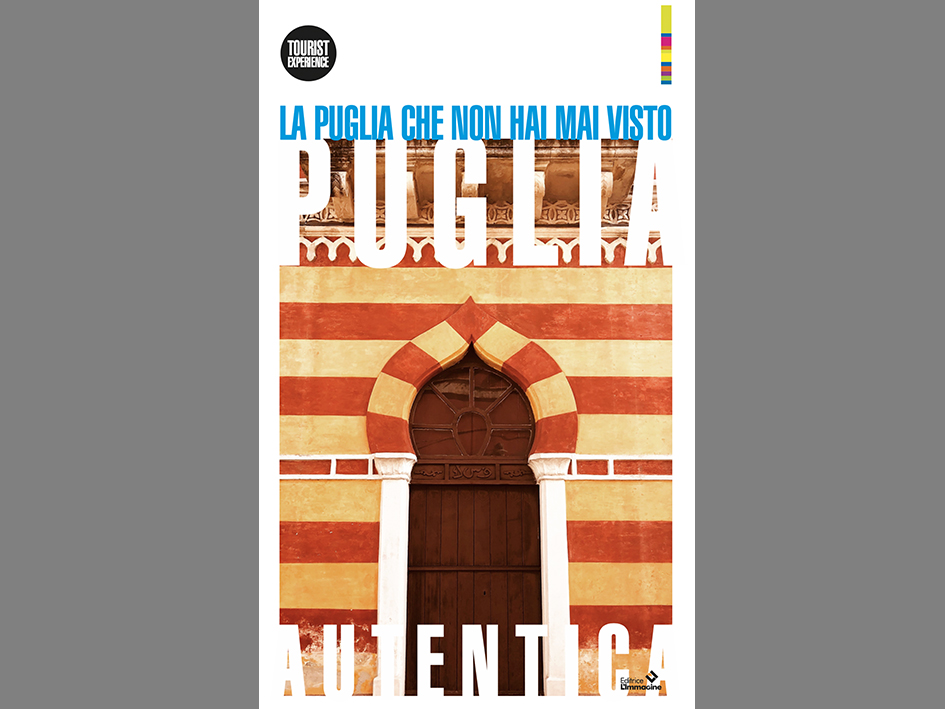
Emotional routes across Apulia off the mass circuits: 180 pages, 14 towns and 15 food producers

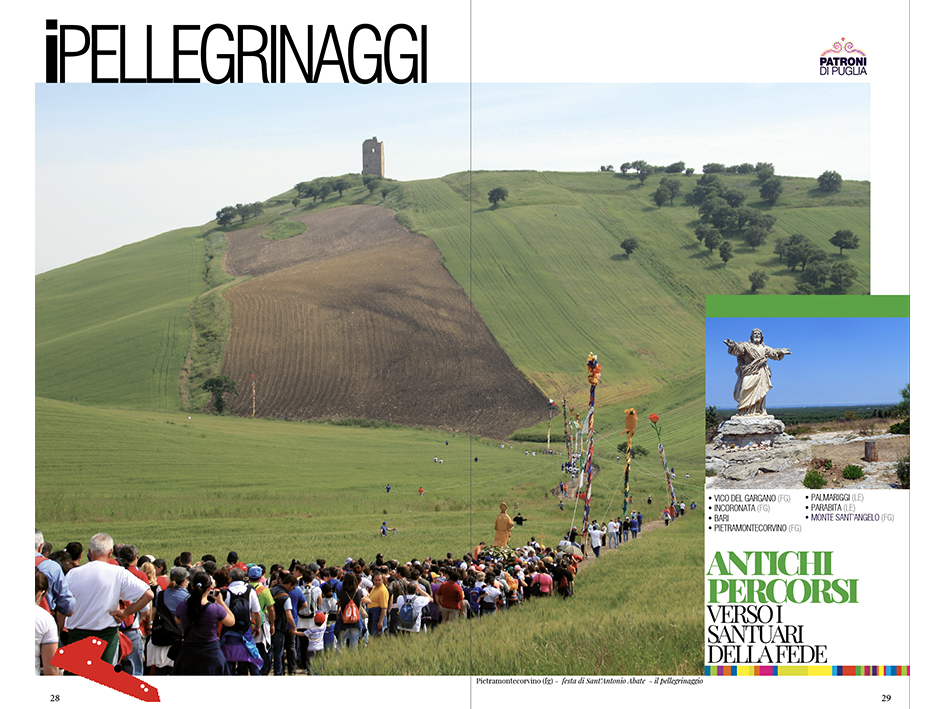
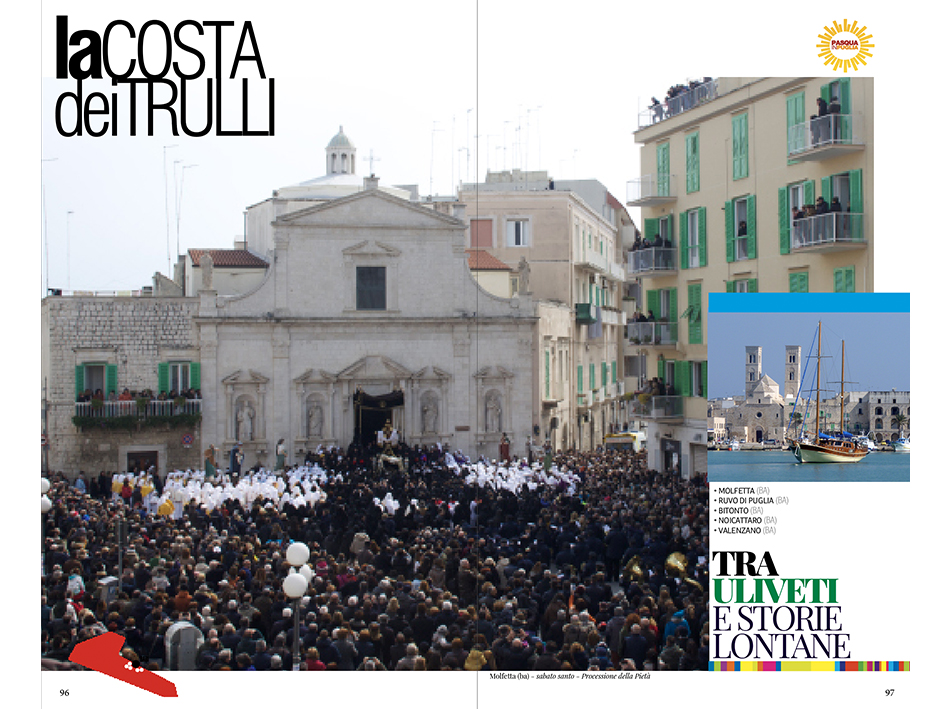
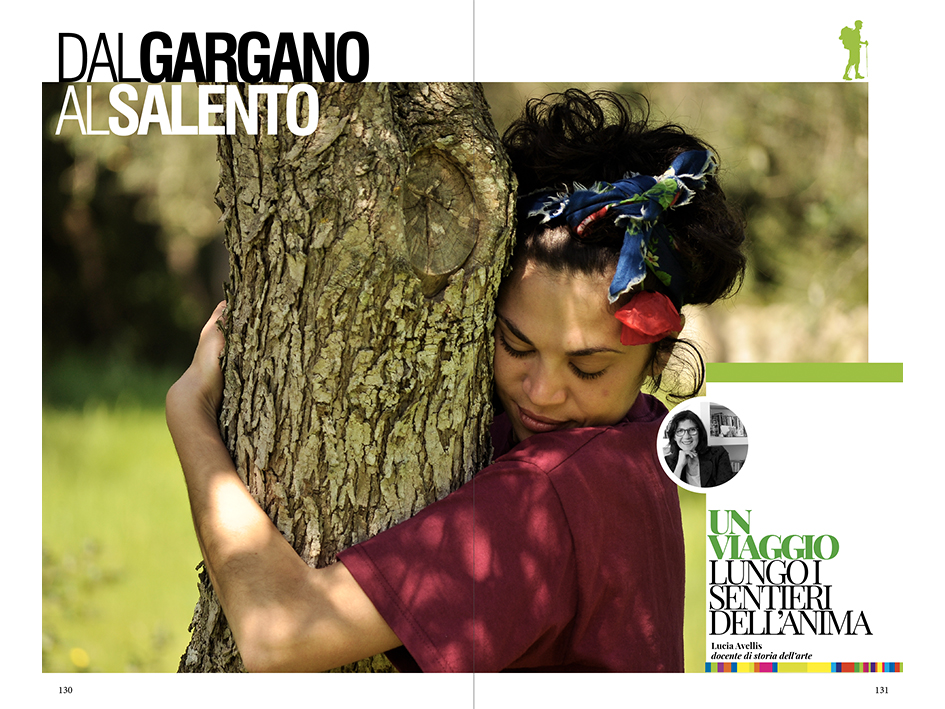
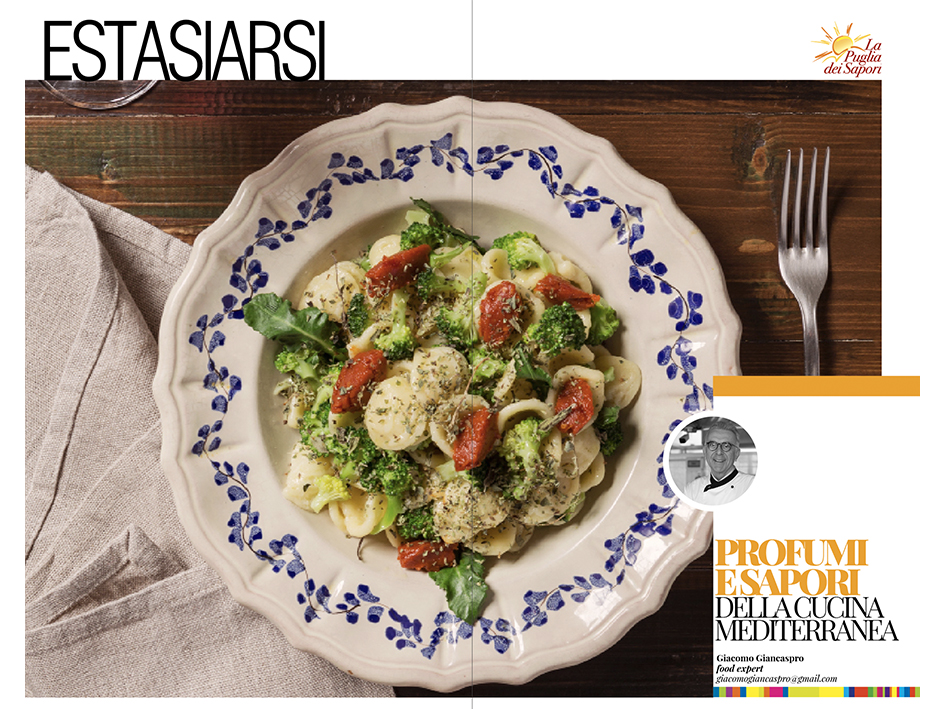
Shut indoors like everyone else, I had an idea that seemed out of step at the time. To make people want Apulia precisely when no one could move. Travel was frozen, the processions cancelled, the festivals closed. And I set about building a guide to bring people to Apulia, the moment it became possible again.


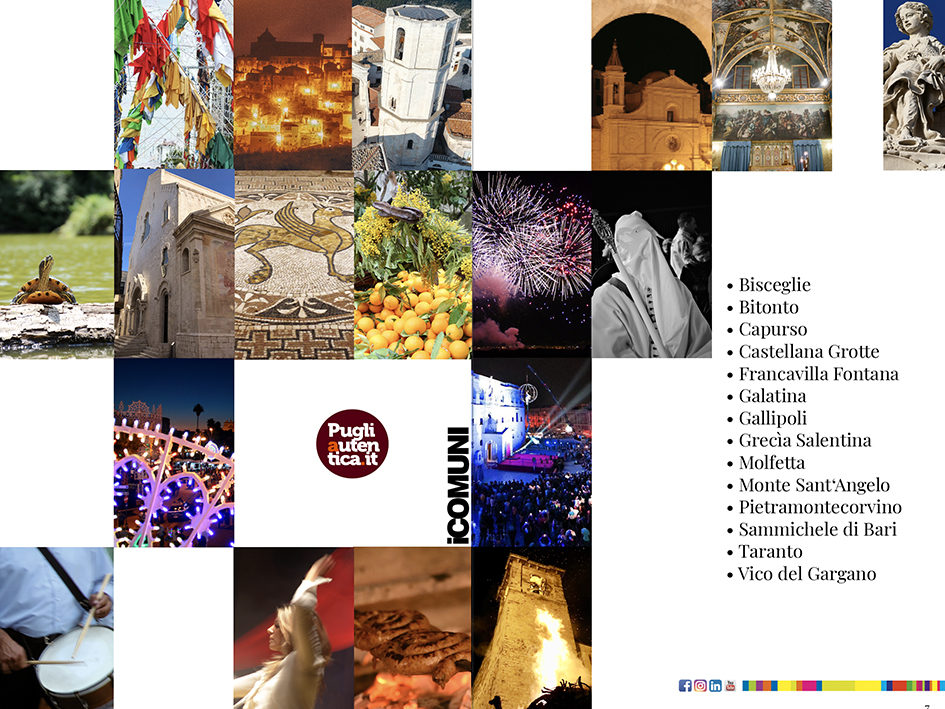
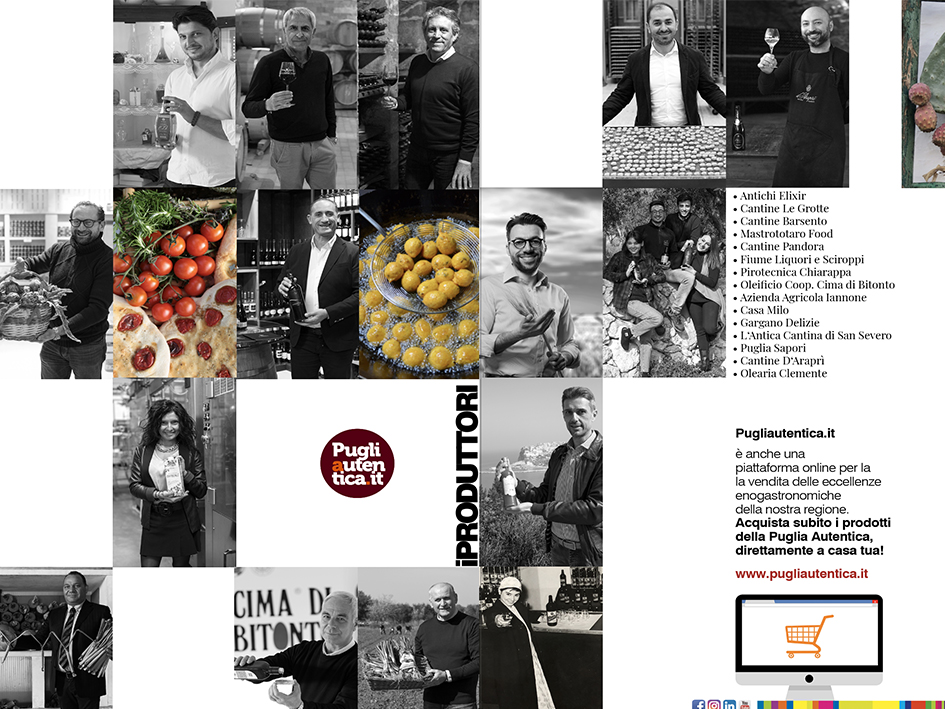
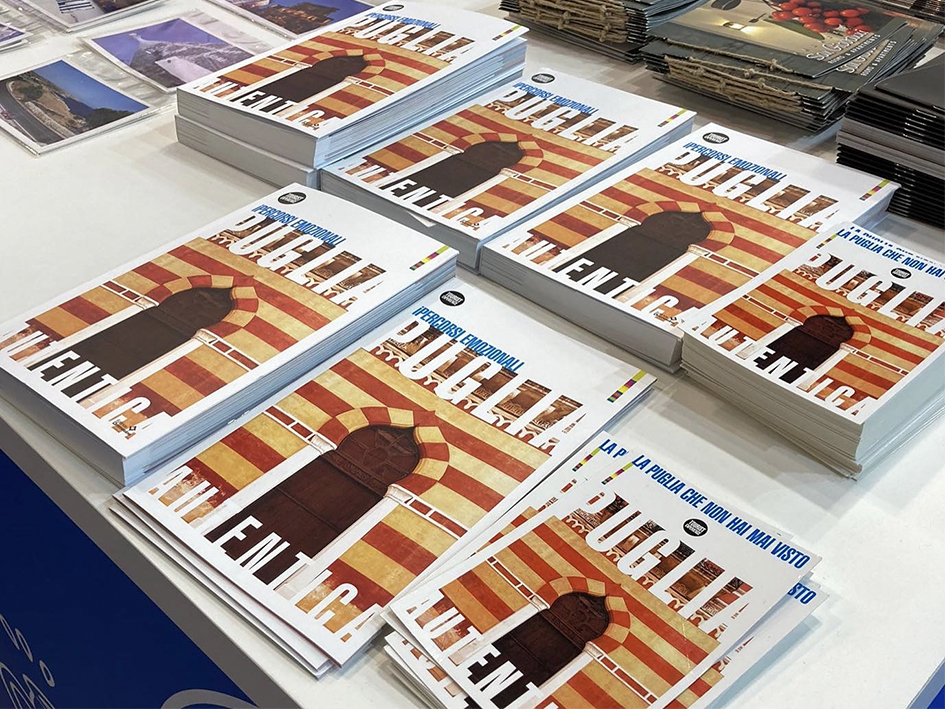
The result was the first official publication of PUGLIAUTENTICA.IT, a pocket colour guide of 180 pages, bilingual Italian and English, released in 2021. Inside are the emotional routes from Gargano to Salento, built around 14 towns and 15 food and farming producers.


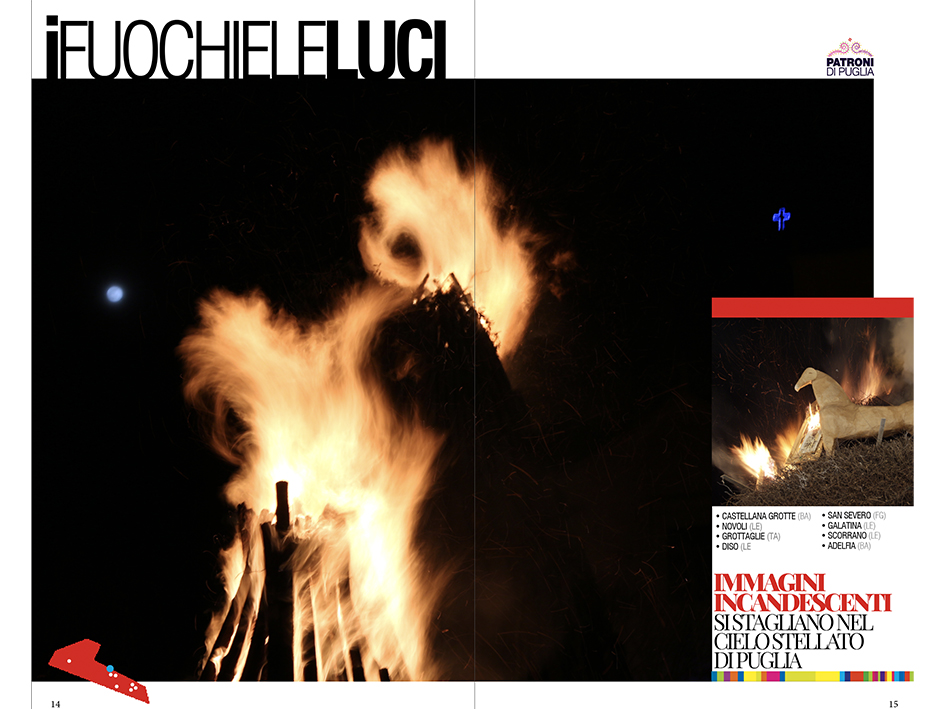
I organised everything by theme, the Easter rites, the patron saint festivals, the paths among rock-hewn hermitages and pilgrim ways, the wine and food tours in cellars and oil mills. Each route is meant for those looking for Apulia off the mass circuits, not the crowded beach but the hermitage, not the tourist restaurant but the oil mill.


The guide connects to the portal's e-commerce, where extra virgin olive oil, wine, preserves and traditional sweets are bought directly from the producers. Editorial project, text, graphic design and layout I carried through on my own, from the idea to the guide you find in your hands.


Building a travel guide while travel is banned sounds like a contradiction. It was not. The desire for a place does not stop when you do. That guide was there to keep it alight, ready for the day we could set off again.


Discover more

PUGLIAUTENTICA.IT ...

180 bilingual pages on Apulia's emotional routes, across 14 towns and 15 food producers. Graphic design and photography by Gaetano Armenio, 2021.


In 2023 I prepared the second edition, and you only make a second edition when the first was good for something. The 2021 guide had found readers, the towns had used it, the producers had recognised themselves in it. So I updated it, took out what had not worked, added what was missing.

It is the official publication of PUGLIAUTENTICA.IT in an updated edition, a pocket colour guide of 140 pages, bilingual Italian and English, telling the Apulia of traditions, rites and food and wine to an Italian and international audience. Inside are thematic itineraries from Gargano to Salento, built around 14 towns and 15 food and farming producers.


I organised it by emotional itineraries, the Easter rites, the patron saint festivals, the food and wine routes, each with its own maps and practical directions. The real novelty is the "Meet the Maker" profiles, which introduce the local producers with a direct link to the shop on the www.pugliautentica.it portal, where typical products are bought from the people who make them. Not a company name on a list, the face of the person who works there. Editorial project, text, graphic design and layout, from the first line to the last page it is all mine.

A guide that reaches a second edition is no longer a gamble. It is a tool that has shown it works. Updating it means listening to those who used it the first time and correcting, not repeating. The Apulia you have never seen, by the second edition, I knew better myself too.


photo by Gaetano Armenio

Emotional itineraries from Gargano to Salento: 140 pages, 14 towns and 15 food producers

VALLADOLID ...

A volume I had built myself ended up in the lecture hall in Valladolid. The University of Valladolid acquired it as a case study in international place marketing. When a foreign university puts your work among its study materials, it means the bridge held.


It is an 80-page photographic volume, bilingual Italian and Spanish, documenting Plenilunio di Primavera, the initiative that in 2019 connected the Holy Week rites between Apulia and Spain.


The photo-story follows the stages of the project, Valladolid, Molfetta, Vico del Gargano, Bitonto and Lecce. Inside are the concerts of traditional Apulian and Castilian music, the travelling photographic exhibitions, the food and wine events and the conferences on Easter rites as intangible heritage. Each section recounts a town and what it brought to the dialogue between the two traditions. I built it alone from the first page to the last, editorial project, photographs, text, graphic design and layout.


You do not measure a bridge between two countries while you are building it. You measure it afterwards, by those who cross it. That it was picked up by a university, and not a tourist leaflet, says that work had a structure underneath, not just fine photographs.


International place marketing between Apulia and Spain: 80 bilingual pages, a case study at the University of Valladolid

INFINITO ...

Infinito Finito, a photographic reportage in the Holy Land by Gaetano Armenio, 140 pages, Editrice L'Immagine, 2005


In 2005 I joined the Franciscans of Molfetta, who are the custodians of some of the most important sites in Christianity. I wasn’t setting off as a pilgrim. I set off with my cameras, to see what remained of two thousand years of history in places where Christians, Armenians, Orthodox Christians, Jews and Muslims cross paths every day.

The result was Infinito Finito, a 140-page full-colour photo-essay in Italian. Nazareth, the Sea of Tiberias, the River Jordan, Mount Tabor, Mount Nebo, Caesarea, Acre, Bethlehem, Jerusalem, Petra, Amman. Editrice L’Immagine printed 200 copies, which were sold in bookshops.

The Holy Land is one of the most photographed places on the planet. Anyone who goes there comes back with the same postcard-perfect images. I wanted the opposite: to portray it without the veneer of tourism, capturing the rituals, the real faces and the underlying tension.


That’s why the photographs in this book don’t stand alone. They are accompanied by verses from Palestinian poets, edited by Lucia Avellis. Where I cast my gaze from the outside, those words gave voice to those who live there.


In certain places, there is no such thing as a neutral photograph. Whilst you are observing, you are being observed. The camera does not protect you; it exposes you. Ultimately, that book is not about the Holy Land; it is about what it means to travel through it with a lens in hand.


The publication of the feature article marked the start of the project LA VIA DI GERUSALEMME


Photographic reportage in the Holy Land: 140 pages, photographs and verses by Palestinian poets

EASTER IN ...

Pasqua in Puglia, the guide to Holy Week rites in twenty Apulian towns, design by Gaetano Armenio


I put Apulian Holy Week into travellers' pockets: not a book for the bedside table, a guide to carry with you at night, while the processions actually pass by.

I built it on foot. I went to twenty towns, from Gargano to Salento, to see with my own eyes the night processions, the hooded confraternities, the troccolanti (rattle-bearers), the perdoni (pilgrims of pardon), the Baroque Mysteries. I also put in the cuddhura and the scarcella, the traditional Easter breads, because in Apulia Easter is lived at the table as much as in the street, and a guide that forgets this tells only half the feast.


The result was a pocket guide of 170 colour pages, in Italian, English and German. The small format is not a whim, it is the function: anyone who wants to follow those processions, not just read about them, needs practical information within reach while walking in the dark.


The real problem was order. Twenty towns, dozens of rites, dates that change every year. I organised everything by province, with maps, updated dates of the celebrations, the historical and artistic profiles of the main devotions, and the itineraries. Photographs, text, graphic design and layout I handled alone, one by one.


A procession cannot be explained from outside. You understand it only if you are there, at night, while it passes. That guide was not meant to describe Holy Week. It was meant to accompany anyone who had decided to live it.


Guide to the Holy Week rites in Apulia: 170 pages, twenty towns from Gargano to Salento